





Christodoulou et al. (2024) – Mindfulness & Mediterranean Lifestyle for Corporate Wellness
Dobie et al. (2015) – Mindfulness-Based Stress Reduction for Mental Health Professionals
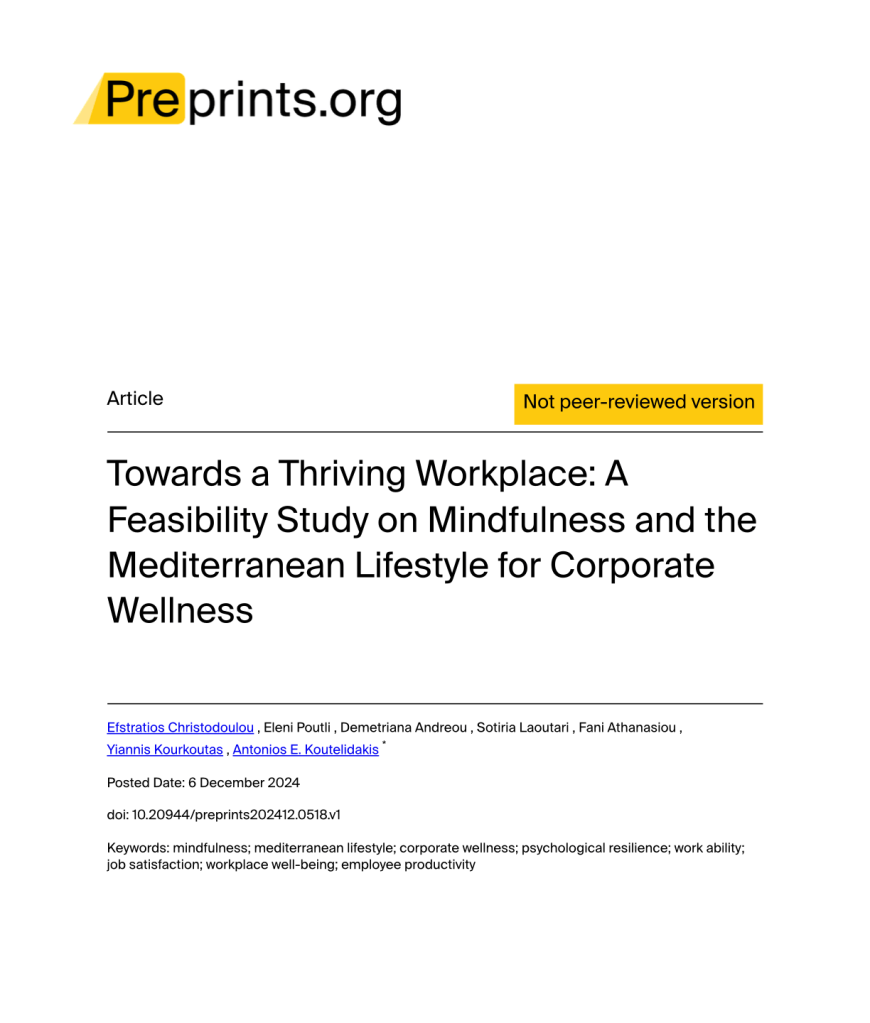
The findings suggest that mindfulness and cultural customization within the Mediterranean lifestyle can enhance employee well-being and productivity, but sector-specific strategies may be necessary to address unique challenges. Practical applications include tailoring interventions to meet the needs of employees in sectors with lower wellness scores.
Read more…
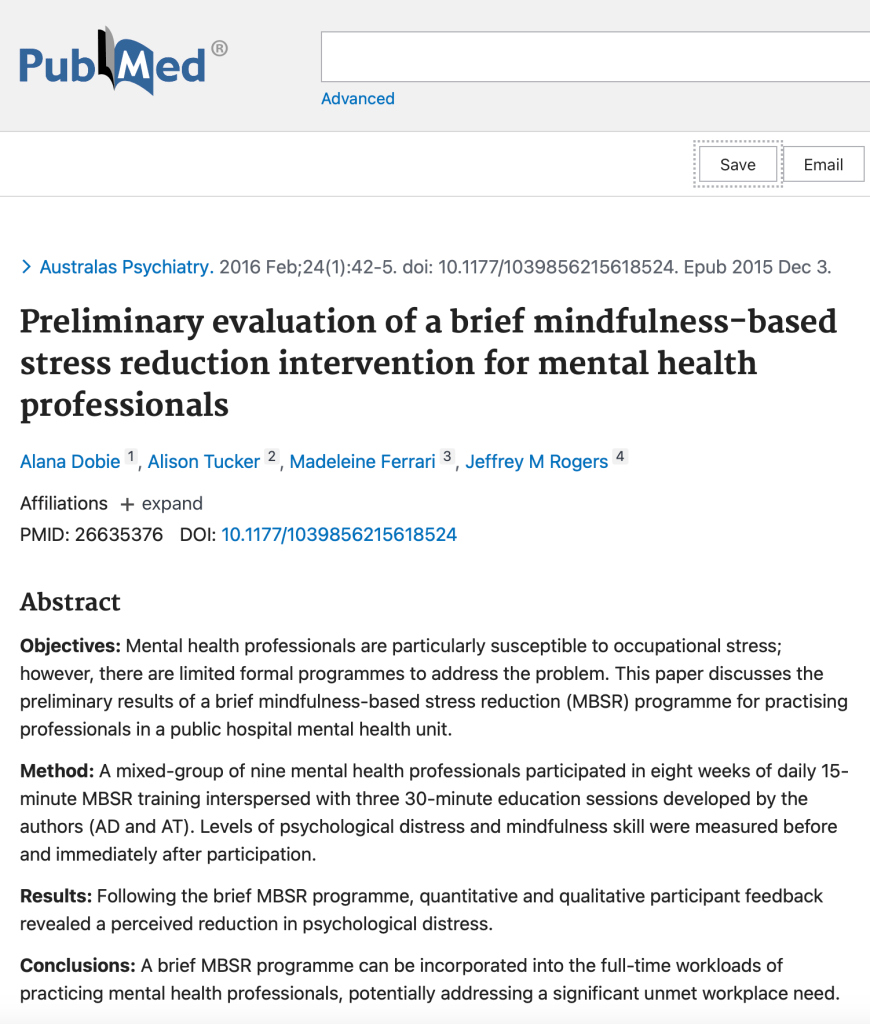
A brief MBSR program can be incorporated into the full-time workloads of practicing mental health professionals, potentially addressing a significant unmet workplace need.
Read More…
…
…
Goodman & Schorling (2012) – A Mindfulness Course Decreases Burnout and Improves Well-Being Among Healthcare Providers
Blake et al. (2011) – Five-Year Workplace Wellness Intervention in the NHS
A continuing education course based on mindfulness-based stress reduction for healthcare providers was associated with significant improvements in burnout scores and mental well-being for a broad range of healthcare providers.
Read more…
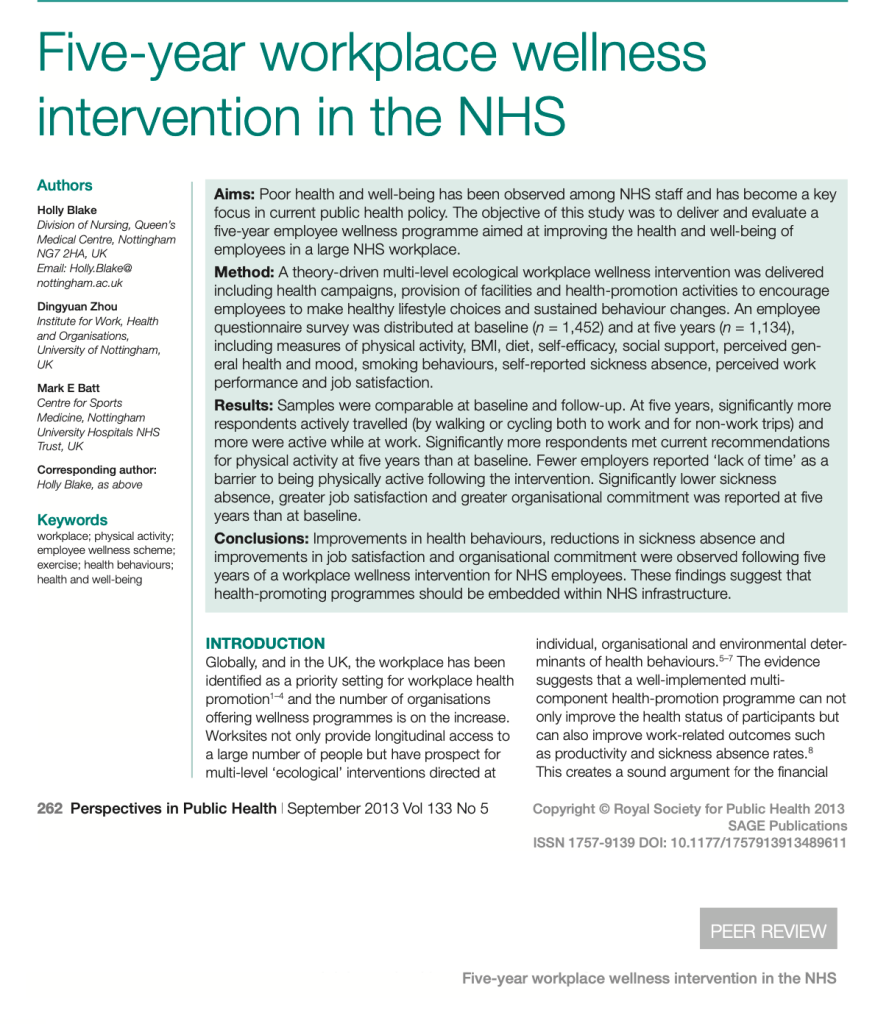
Improvements in health behaviours, reductions in sickness absence and improvements in job satisfaction and organizational commitment were observed following five years of a workplace wellness intervention for NHS employees.
Read more…
Wealth
Song & Baicker (2019) – Effect of a Workplace Wellness Program on Employee Health and Economic Outcomes
Gubler et al. (2018) – Doing Well by Making Well: The Impact of Corporate Wellness Programs on Employee Productivity
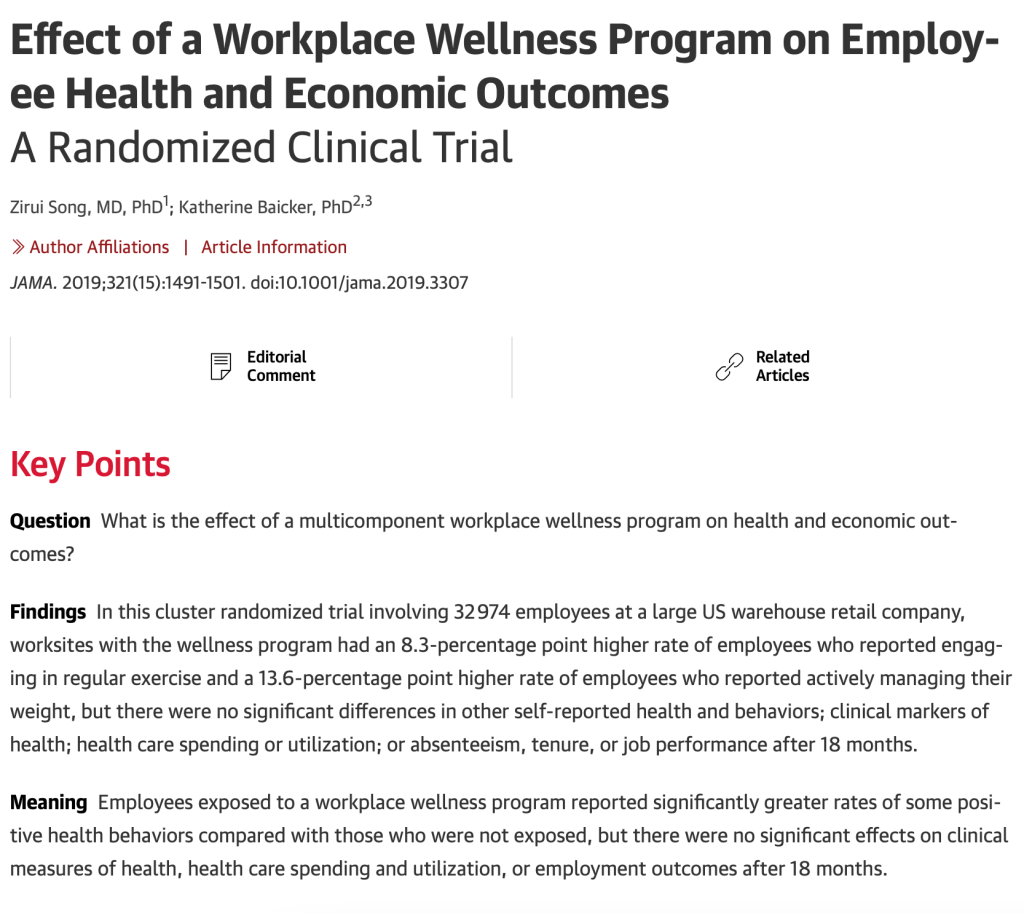
Conducted a randomized clinical trial showing wellness programs improved self-reported health but had limited direct economic impact on healthcare costs and absenteeism. This suggests wellness programs enhance employee well-being but may take longer to yield financial returns.
Read more…
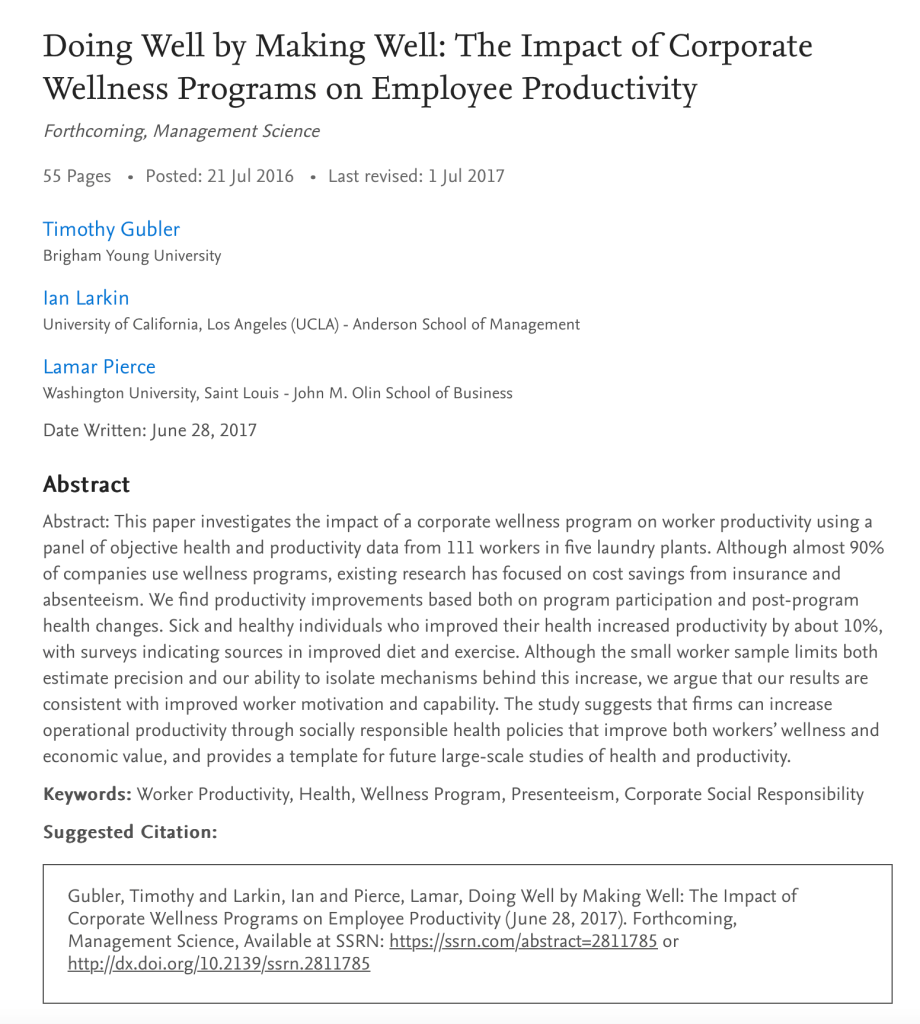
Demonstrated a 10% increase in productivity for employees actively engaged in corporate wellness programs, suggesting that long-term participation is key to economic benefits.
Read more…
…
Conradie et al. (2016) – Corporate Health and Wellness and the Financial Bottom Line (South Africa)
Mattke et al. (2012) – A Review of the US Workplace Wellness Market
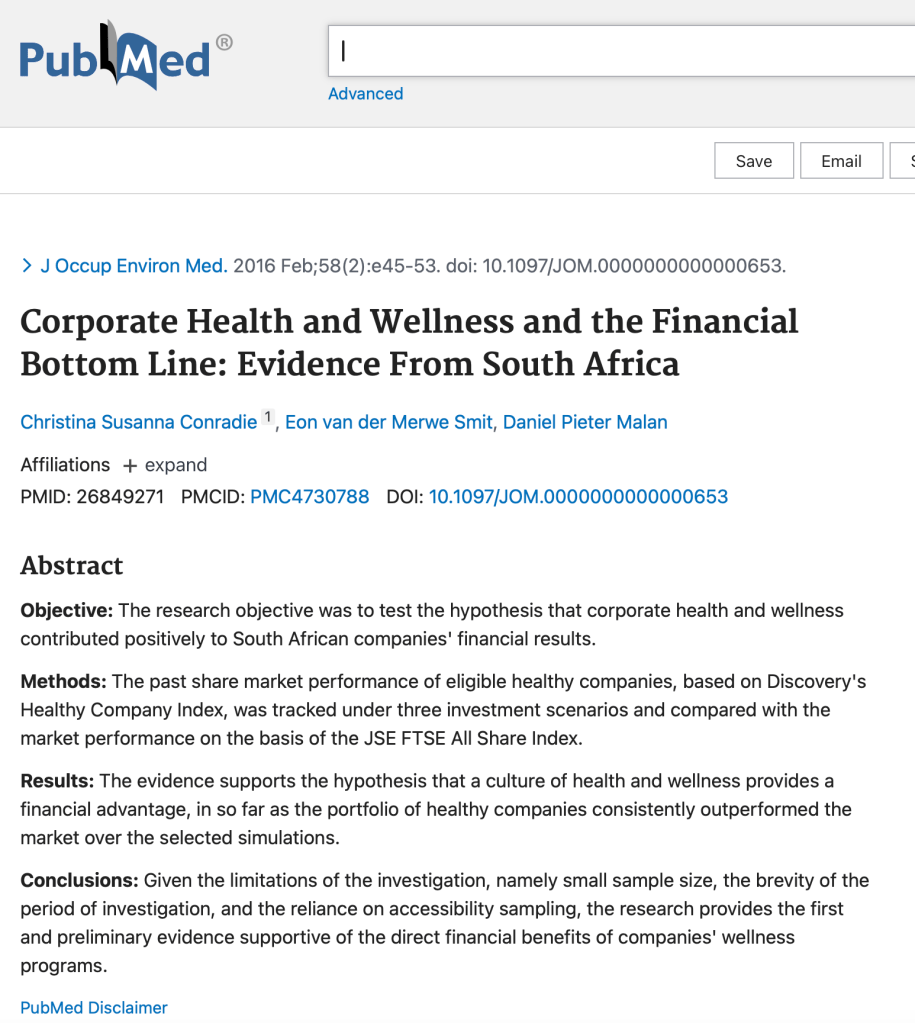
The evidence supports the hypothesis that a culture of health and wellness provides a financial advantage, in so far as the portfolio of healthy companies consistently outperformed the market over the selected simulations.
Read more…
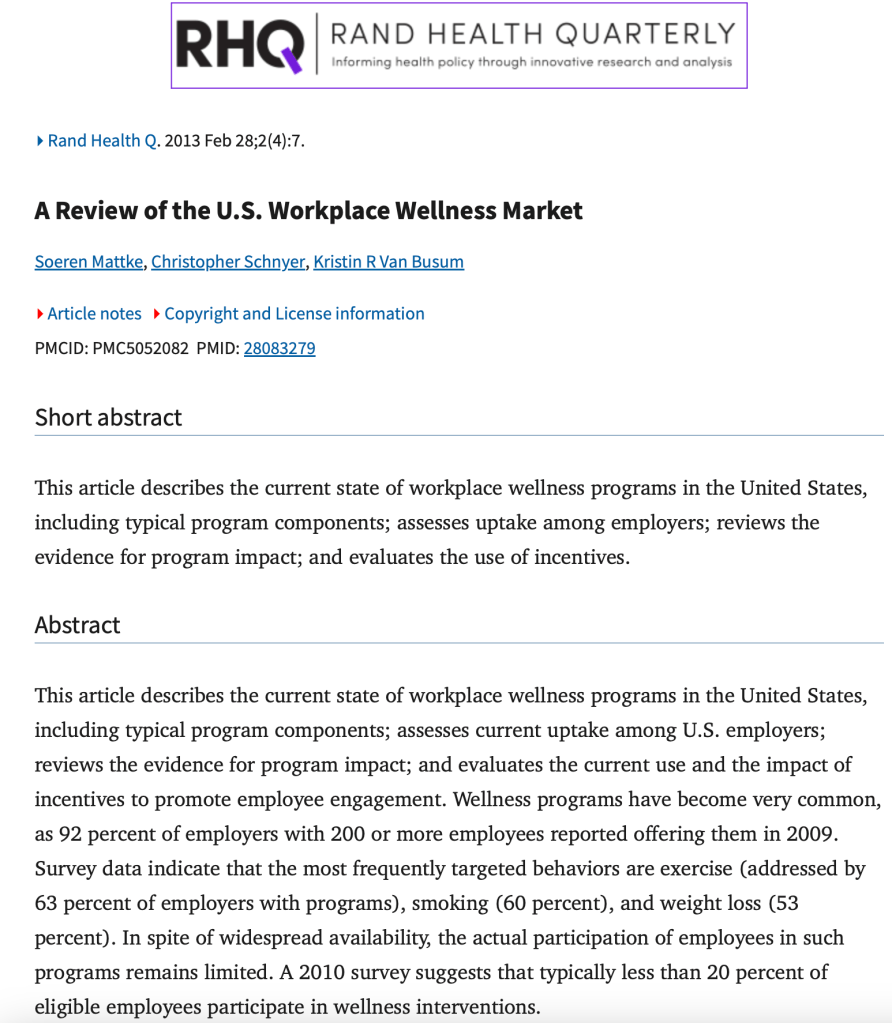
Showed that structured, long-term wellness programs are financially beneficial to companies, but short-term wellness investments may not yield immediate cost reductions.
Read more…
Health
Lu et al. (2023) – The Impact of a Health Empowerment Program on Self-Care Enablement and Mental Health among Low-Income Families: Evidence from a 5-Year Cohort Study in Hong Kong
RAND Corporation (2013) – Workplace Wellness Programs Study: Final Report
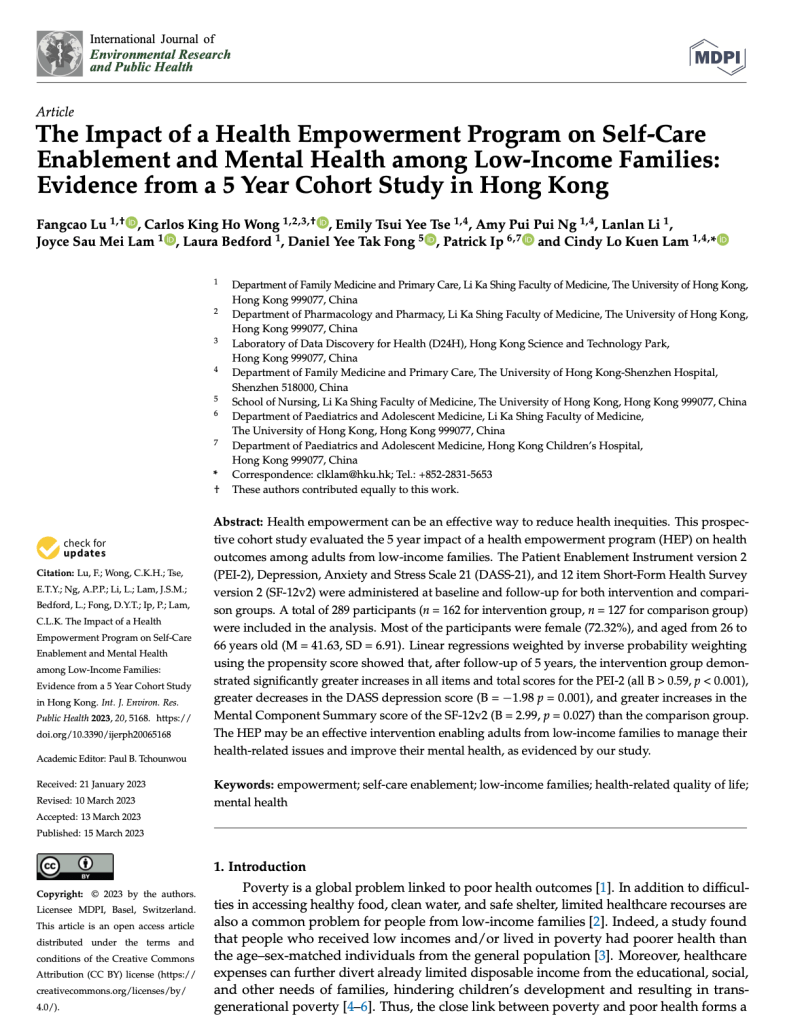
This prospective cohort study evaluated the long-term impact of a Health Empowerment Program (HEP) on adults from low-income families. Over five years, participants demonstrated significant improvements in self-care practices and mental health outcomes, indicating that health empowerment initiatives can effectively reduce health inequities and enhance well-being in underserved populations.
Read more…
This comprehensive report investigates the characteristics, prevalence, and impact of workplace wellness programs on employee health and medical costs. The study found that structured wellness initiatives can lead to improved employee health outcomes and reduced healthcare expenditures, highlighting the potential benefits of implementing such programs in organizational settings.
Read more…
Change
Chibanda et al. (2016) – Effect of a Primary Care–Based Psychological Intervention on Symptoms of Common Mental Disorders in Zimbabwe
Wasserman et al. (2015) – School-Based Suicide Prevention: Results of the SEYLE Study
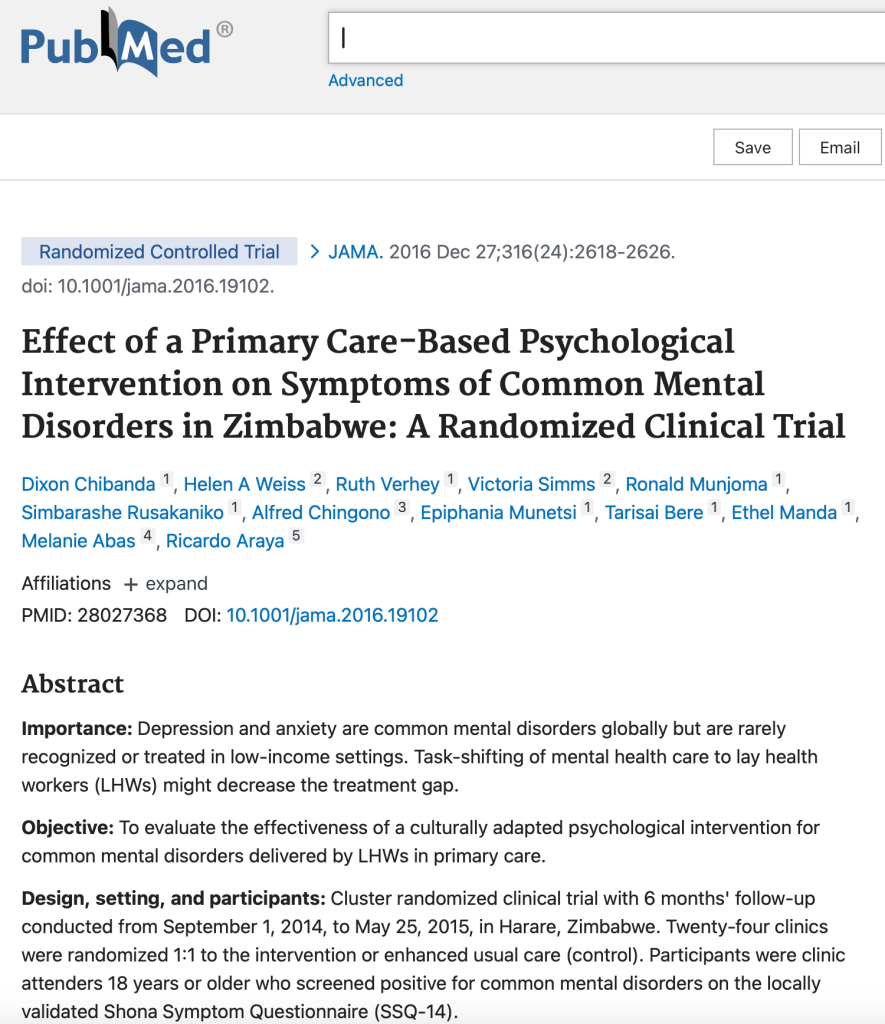
A randomized controlled trial published in JAMA showed that participants who received the Friendship Bench intervention had significantly lower symptoms of depression and anxiety compared to standard care, with only 14% remaining depressed versus 50% in the control group.
Read more…
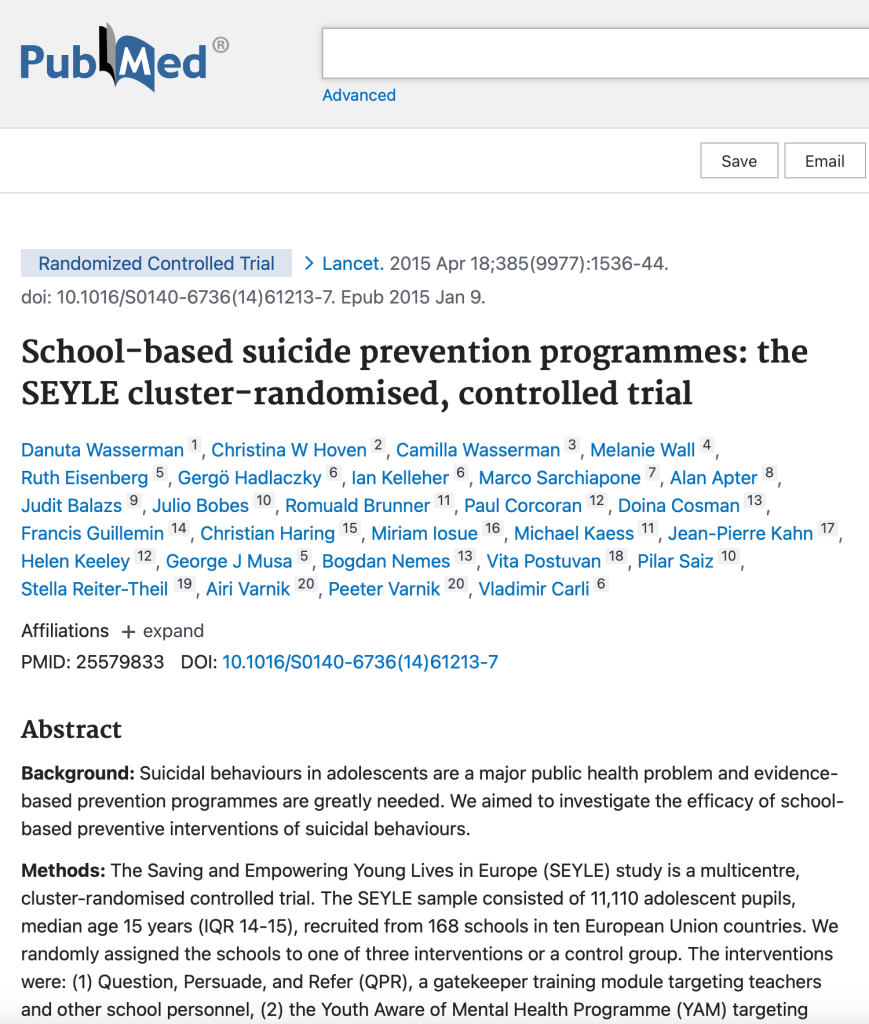
This large European RCT found that the Youth Aware of Mental Health (YAM) program significantly reduced suicide attempts and severe suicidal ideation among adolescents, achieving a 50% reduction compared to control, making it the most effective intervention tested.
Read more…
…
…
McKay et al. (2018) – A Systematic Review of Clubhouse-Based Employment Programs
Bolton et al. (2003) – Group Interpersonal Psychotherapy for Depression in Rural Uganda
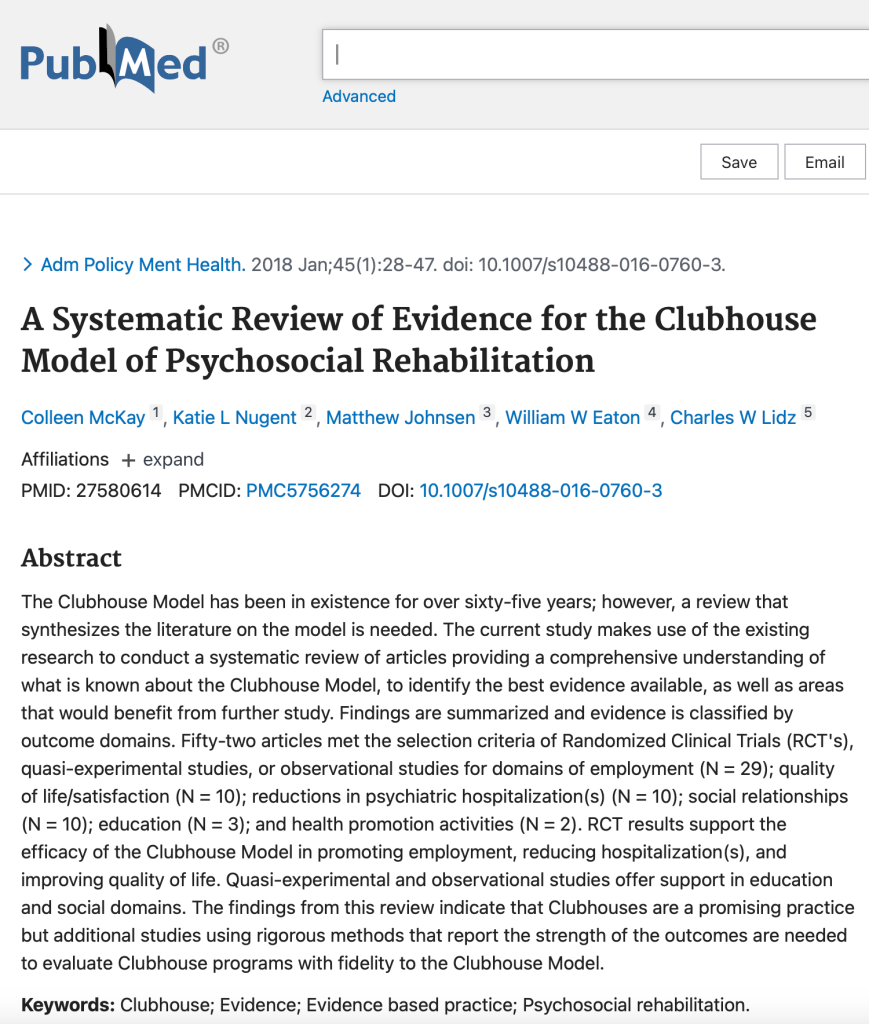
The review found that Clubhouse participants had higher employment rates, reduced hospitalization, and improved quality of life compared to traditional mental health services, supporting the Clubhouse model’s psychosocial and vocational effectiveness.
Read more…
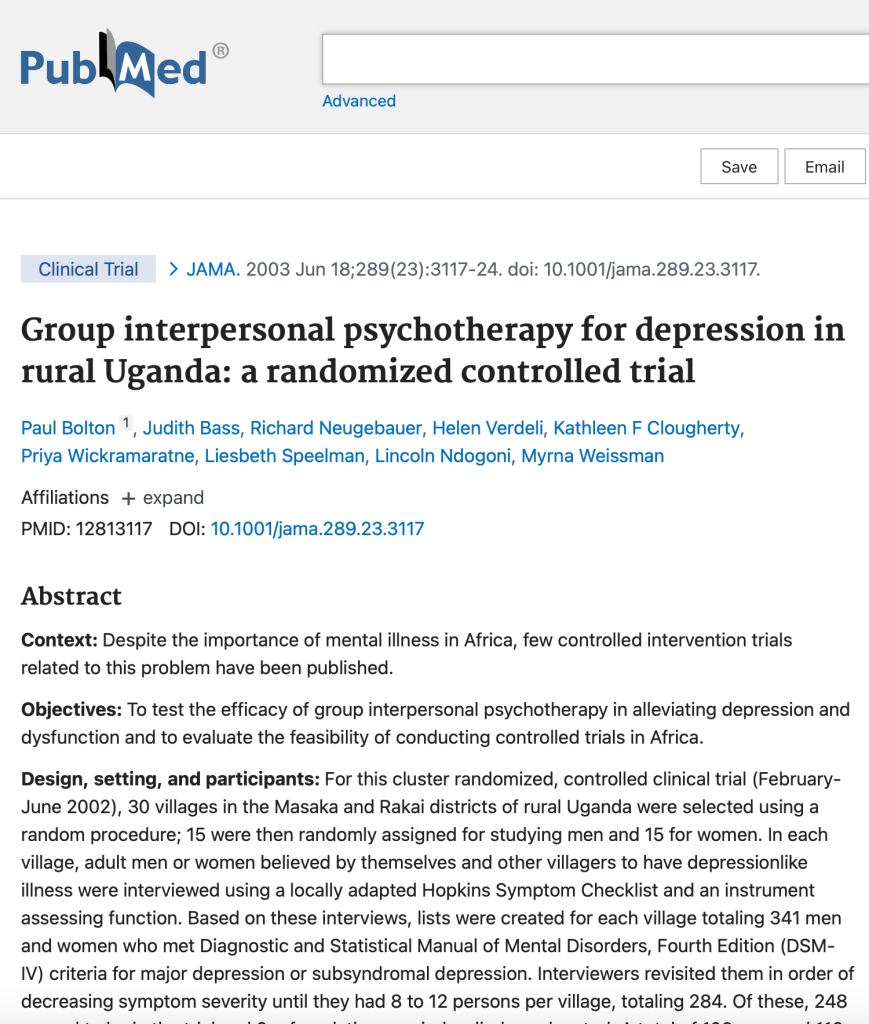
This foundational RCT on which StrongMinds is based found that only 6.5% of group IPT participants met depression criteria post-intervention compared to 54.7% in the control group, demonstrating the high efficacy of peer-led group therapy in low-resource settings.
Read more…
Education
Aspen Institute (2021) – Opportunity Youth Forum and Entrepreneurship Pathways
Acumen Academy (2018) – Adaptive Leadership in Social Entrepreneurship Fellowships
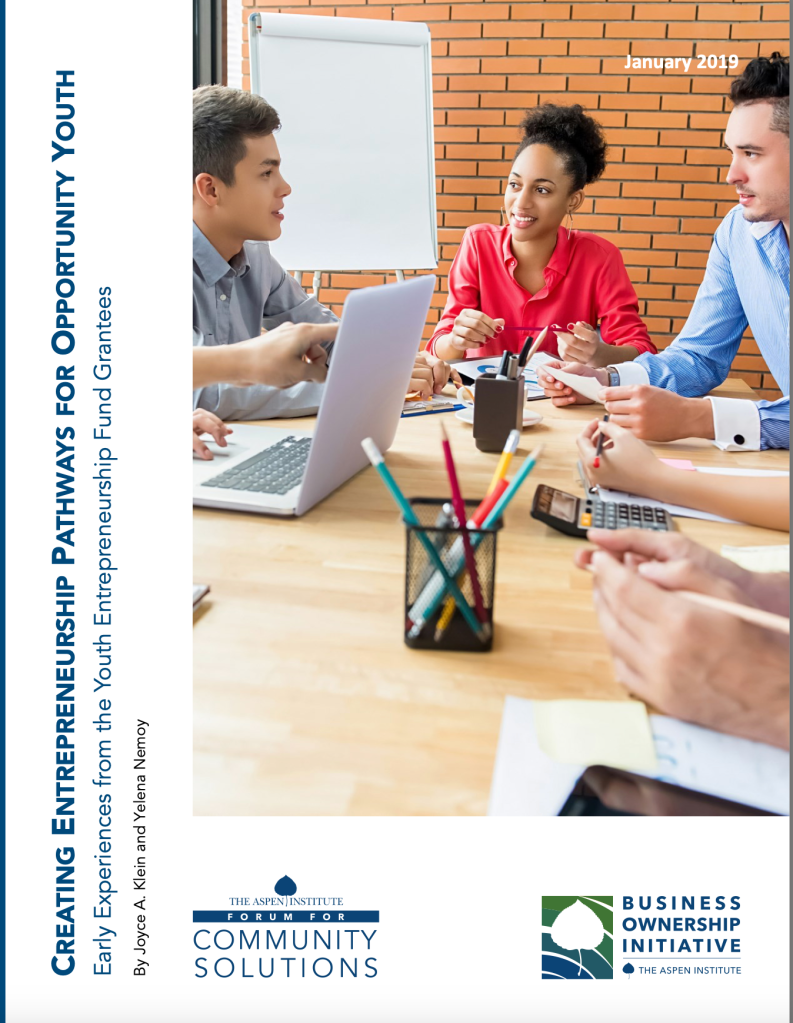
Demonstrated that integrating design thinking and community engagement into youth entrepreneurship programs fosters increased civic interest, resilience, and persistence, suggesting that advocacy-based training can enhance long-term entrepreneurial motivation.
Read more…
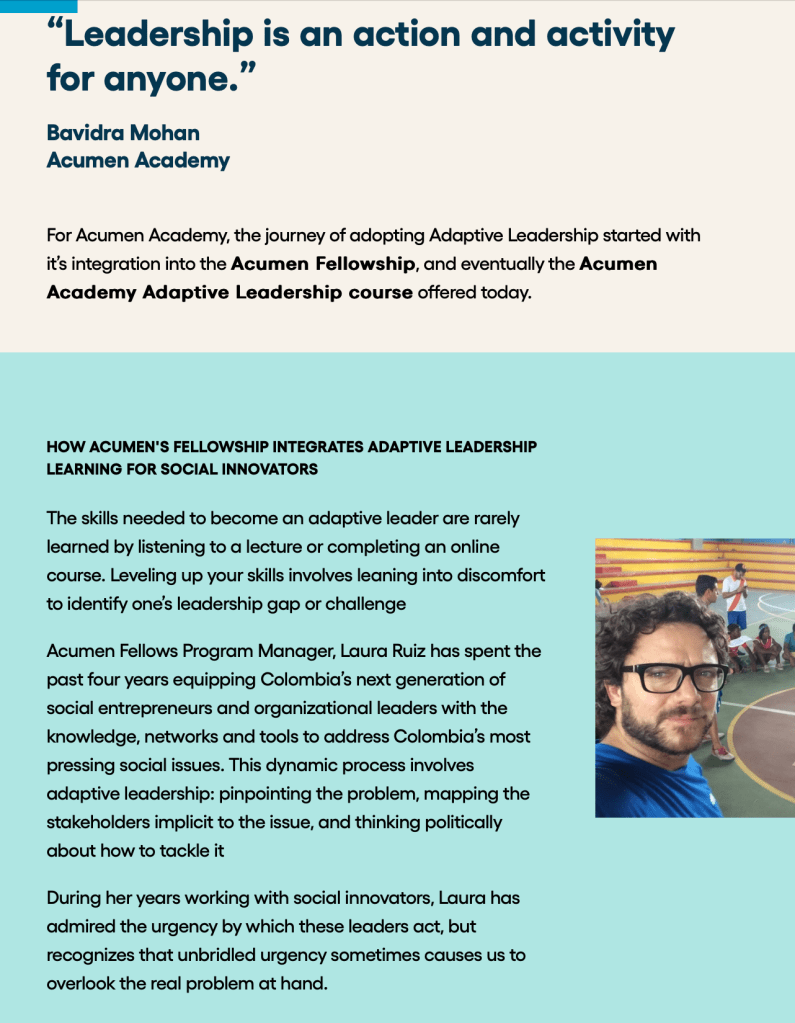
Showed that applying Adaptive Leadership frameworks to entrepreneurship training helps founders navigate uncertainty, mobilize stakeholders, and lead through complexity—contributing to sustained success in social ventures.
Read more…
…
…
MIT’s deltaᵛ Accelerator (2020) – Entrepreneurial Confidence and Communication Program ECC
Stanford University (2024) – Stanford Initiative on Entrepreneurial Resilience (SIER)
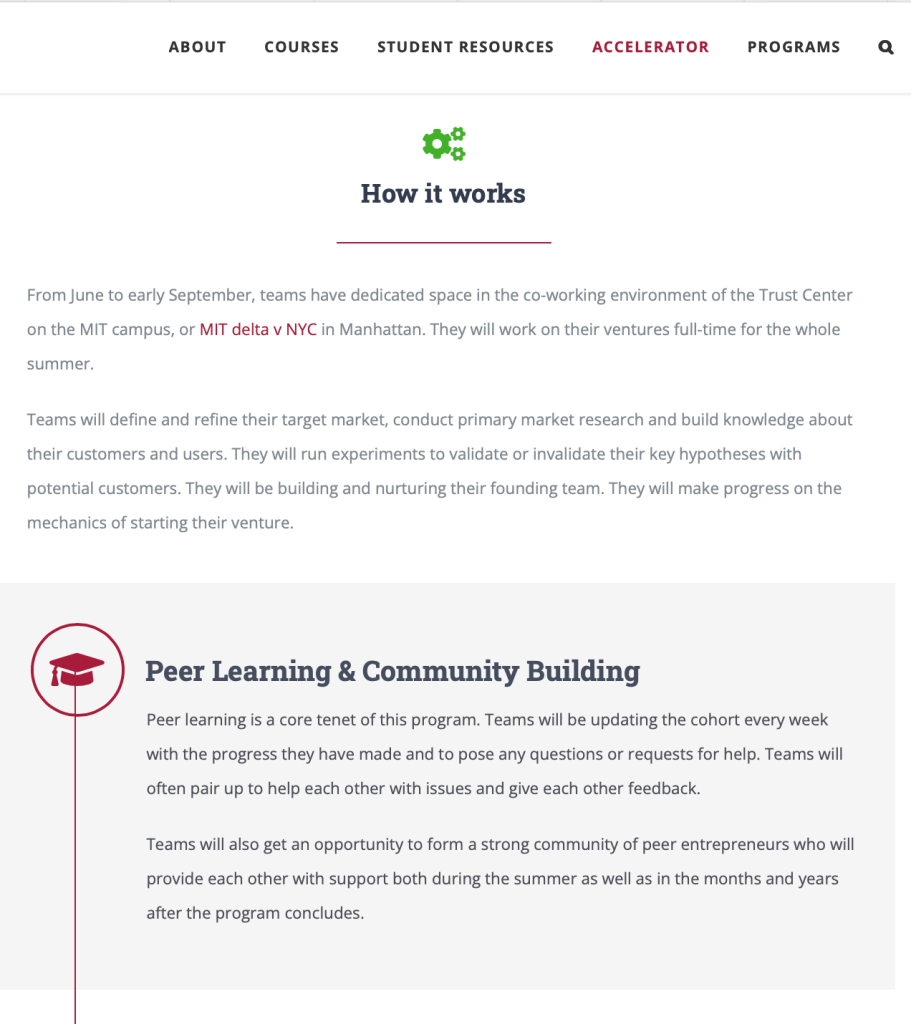
Found that mindfulness-based training significantly improved founders’ emotional regulation, communication confidence, and stress resilience—suggesting that wellness integration can boost both personal well-being and business effectiveness.
Read more…
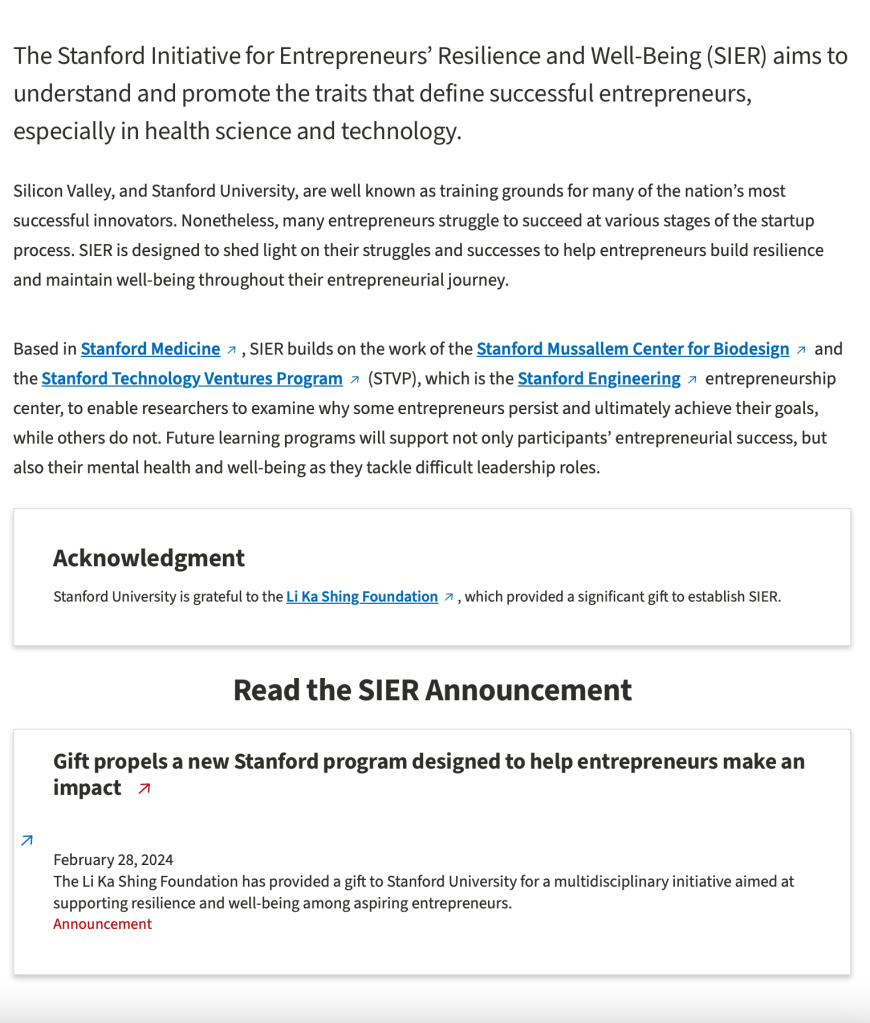
Emerging evidence from Stanford’s interdisciplinary SIER suggests that integrating psychological, medical, and business research into founder training can strengthen emotional resilience and adaptive capacity, helping entrepreneurs thrive under pressure.
Read more…
 EmBody